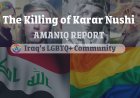

The Killing of Karar Nushi: When Appearance Becomes a Target in Iraq
This report documents the 2017 killing of Karar Nushi in Baghdad and examines his appearance, artistic ambitions, reported threats, and the broader violence faced by people because of their appearance, gender expression, or actual or perceived association with Iraq’s LGBTQ+ community.
The Killing of Karar Nushi
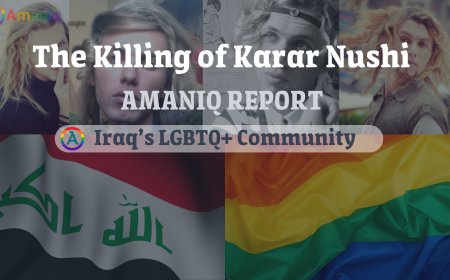
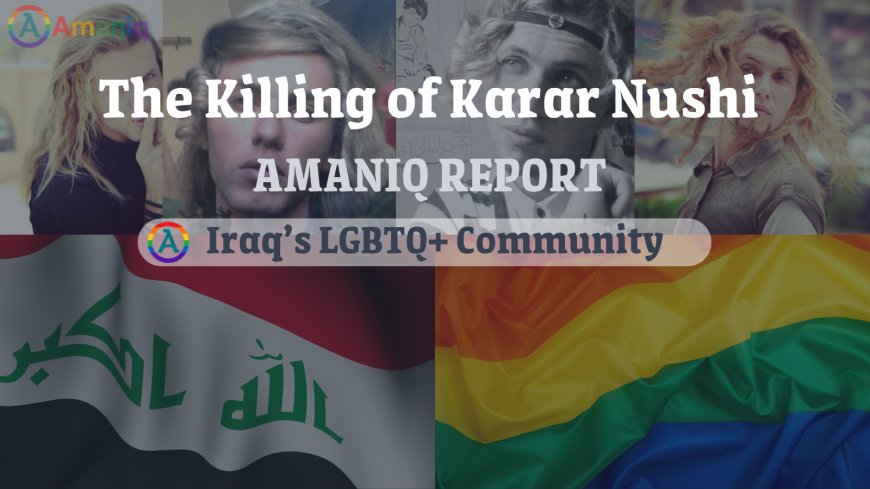
On July 2, 2017, Iraqi actor and model Karar Nushi was found dead in Baghdad after disappearing.
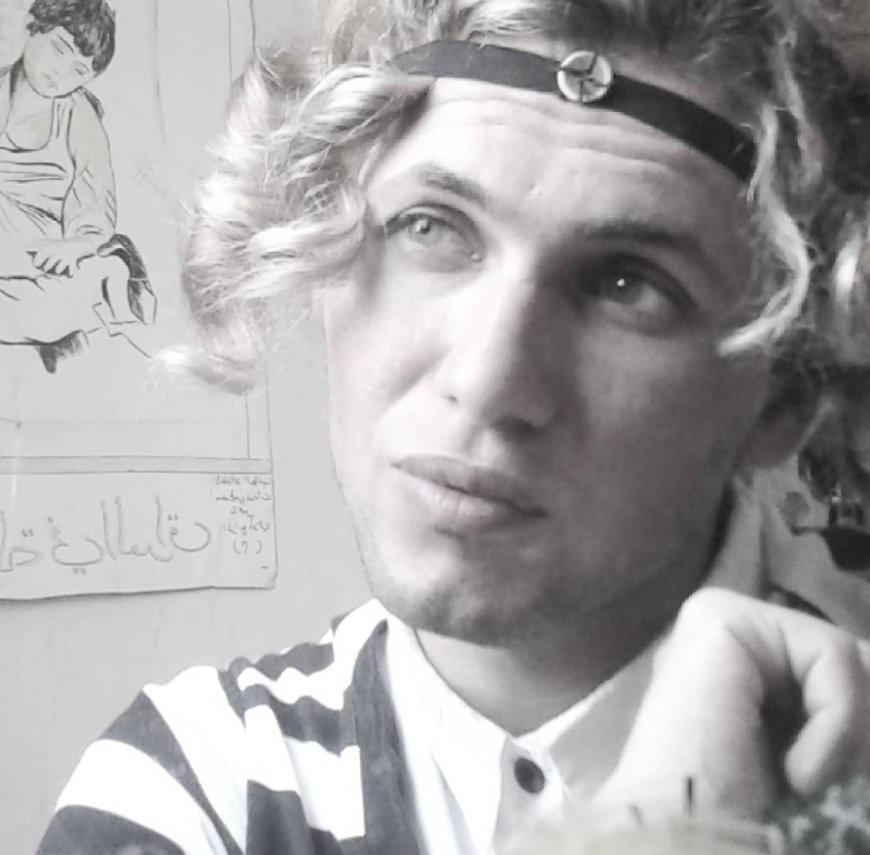
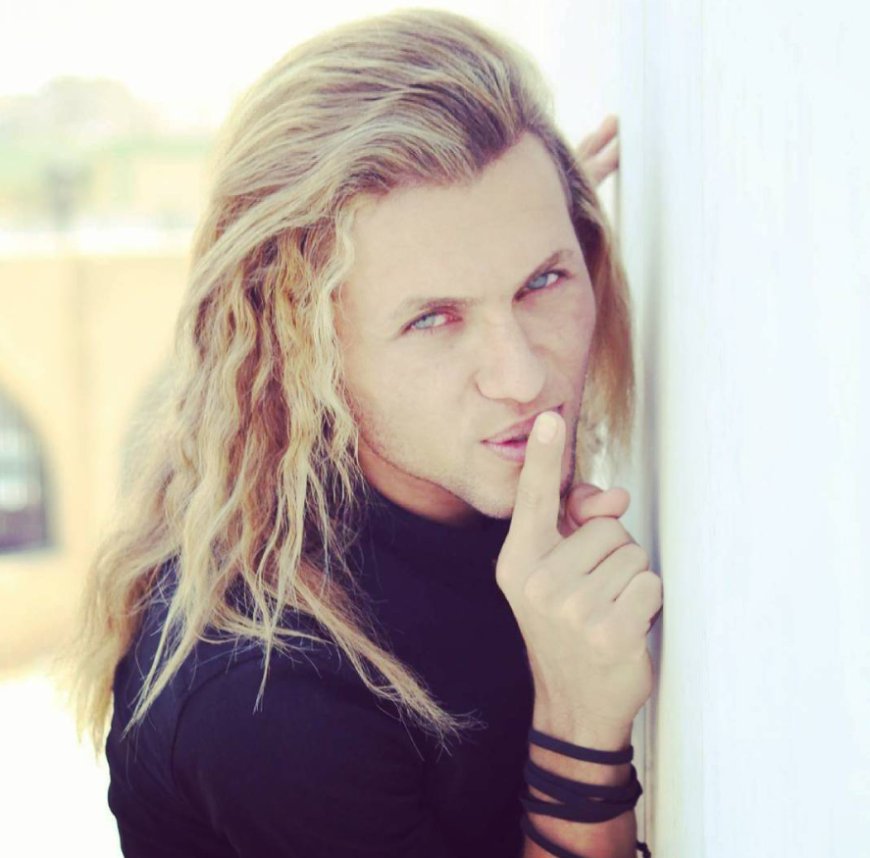
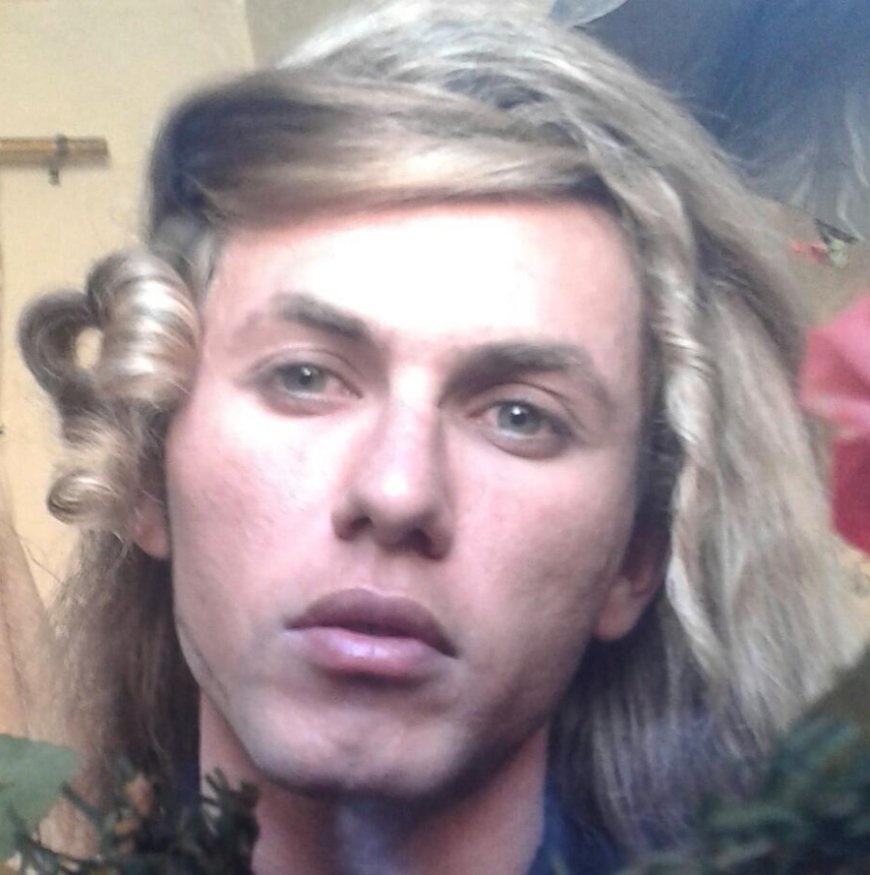
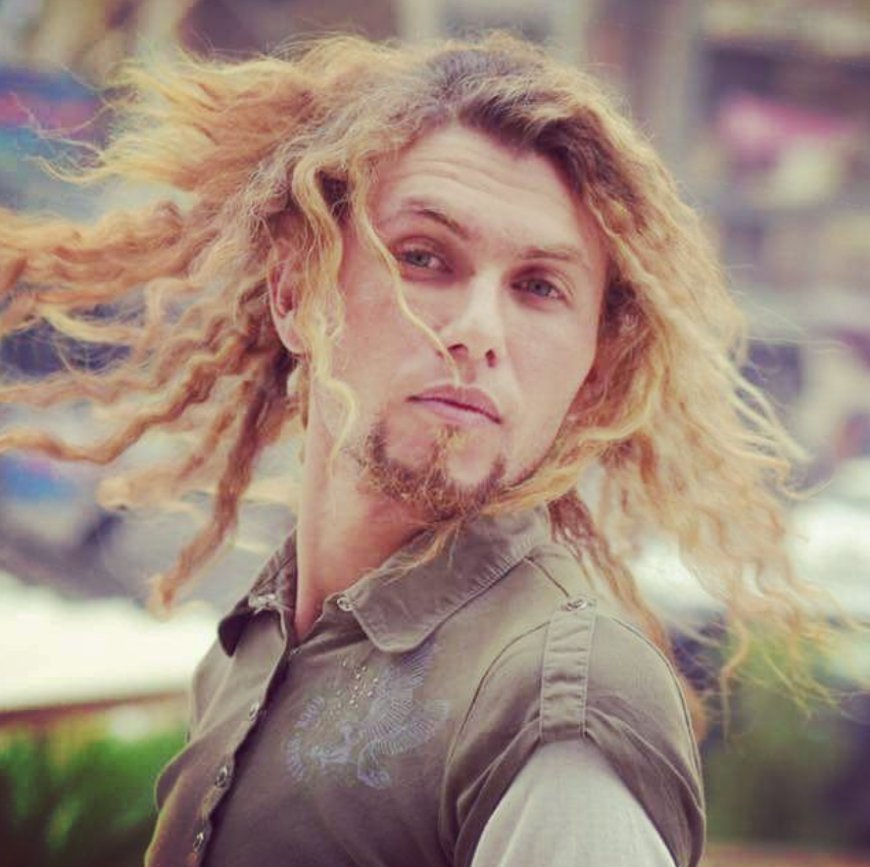
Nushi was known for his long blond hair, colorful clothing, distinctive appearance, and his involvement in acting and modeling. He was also a student at Baghdad’s Institute of Fine Arts.
According to human rights and media reports, Nushi was reportedly tortured, stabbed, and his body mutilated. His hair was also cut after his death. Human Rights Watch reported that Nushi’s friends believed an armed group had killed him because of his long hair.
The case received significant attention because it occurred within a broader environment in which people with non-conforming appearances or gender expression could face harassment and violence. Human Rights Watch | In Iraq, Hair Can Set Off Violence
The case received significant attention because it occurred within a broader environment in which people with non-conforming appearances or gender expression could face harassment and violence.
Who Was Karar Nushi?
Karar Nushi was an Iraqi actor, model, and student at Baghdad’s Institute of Fine Arts.
He became known for his distinctive appearance, particularly his long blond hair and colorful clothing. He was interested in acting, art, and modeling.
His appearance became part of his public identity, but it also reportedly made him a target of criticism and threats before his death. “Everyone Wants Me Dead” Killings, Abductions, Torture, and Sexual Violence Against LGBT People by Armed Groups in Iraq
Reasons for the Targeting
The circumstances and possible motives surrounding Karar Nushi’s killing are among the most important aspects of the case.
There is no publicly available final judicial finding that allows AMANIQ to state his exact motive with certainty. The report therefore distinguishes between documented information and reported or suspected motives.
Appearance
Nushi’s appearance differed from traditional expectations of masculinity in a conservative social environment.
His long blond hair, colorful clothing, and presence in modeling reportedly attracted criticism and threats.
Human Rights Watch documented a broader pattern in Iraq in which non-conforming appearance, including hairstyles and clothing, could become a visible marker that exposed people to harassment and violence. Human Rights Watch | In Iraq, Hair Can Set Off Violence
Gender Expression and Non-Conforming Appearance
Appearance or clothing does not necessarily indicate a person’s sexual orientation or gender identity.
However, people can be targeted based on how others perceive them, rather than on how they personally identify.
This distinction is important in the case of Nushi.
Available sources indicate that his appearance was part of how he was perceived and reportedly targeted, while there is no final judicial evidence establishing that his sexual orientation was the direct motive for his killing. ACCORD – Austrian Centre for Country of Origin and Asylum Research and Documentation (Author)
Artistic Ambition and Public Presence
Nushi was interested in acting, art, and modeling—fields that often involve public visibility and personal expression.
In a conservative social environment, people who depart from traditional expectations may face criticism, bullying, or threats.
However, artistic ambition, appearance, clothing, or personal expression can never justify violence or killing.
Karar Nushi and Iraq’s LGBTQ+ Community
There is not enough reliable evidence for AMANIQ to present Karar Nushi’s sexual orientation as an established fact.
However, Nushi’s case has become part of broader documentation concerning violence against people who are perceived or suspected to belong to the LGBTQ+ community or whose appearance does not conform to traditional gender expectations.
Human Rights Watch included Nushi’s case in its research on killings, abductions, torture, and sexual violence against LGBT people by armed groups in Iraq.
For this reason, AMANIQ treats the case as an important example for understanding targeting based on appearance, gender expression, and perceived identity in Iraq.
Threats and Harassment
Before his death, media reports indicated that Nushi had faced threats associated with his appearance.
Human rights sources have also documented a broader pattern in Iraq in which unconventional appearance—particularly hairstyles and clothing—could lead to harassment, threats, or violence.
Human Rights Watch reported that 48 LGBT people it interviewed described non-conforming hairstyles as potentially leading to consequences ranging from arrest and torture to death. “Everyone Wants Me Dead” Killings, Abductions, Torture, and Sexual Violence Against LGBT People by Armed Groups in Iraq
Violence Against People Perceived to Be LGBTQ+
A person does not necessarily have to identify as LGBTQ+ to become a target of violence driven by homophobia or hostility toward gender expression.
A person may be targeted because they are perceived as:
- Gay.
- Transgender.
- Gender non-conforming.
- Feminine in appearance.
- Wearing clothing considered inappropriate for men.
- Having a hairstyle considered unacceptable for men.
Nushi’s case demonstrates the importance of this distinction: a person can become a target because of how others perceive them.
Human Rights Watch has documented numerous cases in Iraq involving killings, abductions, torture, and sexual violence against people perceived to belong to the LGBTQ+ community.
Armed Groups and Impunity
Nushi’s case also raises questions about the role of armed groups in Iraq.
Human Rights Watch has documented killings, abductions, torture, and sexual violence targeting LGBT people or people perceived to belong to the community.
The organization has also described a broader pattern in which such abuses have frequently gone unpunished. Audacity in Adversity LGBT Activism in the Middle East and North Africa
This does not mean that a specific armed group has been judicially proven to have killed Nushi. Rather, his case should be understood within the broader context of violence documented by human rights organizations in Iraq.
The Responsibility of the State
The case of Karar Nushi raises a fundamental question:
How can the state protect people who face threats or violence because of their appearance, identity, or self-expression?
State responsibilities include:
- Investigating killings.
- Investigating credible prior threats.
- Identifying perpetrators.
- Holding those responsible accountable.
- Protecting evidence.
- Protecting people at risk.
- Preventing impunity.
The United Nations, in discussing violence against people based on their actual or perceived sexual orientation or gender identity in Iraq, identified the killing of Karar Nushi as a notable case. It also noted that the Iraqi government said it had established a committee to address such killings, while the results of that committee remained unclear.
ACCORD – Austrian Centre for Country of Origin and Asylum Research and Documentation (Author)
Why Does the Case of Karar Nushi Matter?
Karar’s case is not simply the story of an artist who was killed.
It raises broader questions:
Can a person appear different without becoming a target?
Can hair or clothing become a reason for threats?
What happens when someone is perceived to belong to the LGBTQ+ community?
Who protects people when threats become violence?
These questions make Nushi’s case important for understanding the challenges faced by LGBTQ+ people and those with non-conforming gender expression in Iraq.
Conclusion
Karar Nushi was killed in Baghdad in July 2017 after disappearing. Reports stated that he had been tortured, stabbed, and mutilated, and that his hair had been cut.
He was known for his long blond hair, colorful clothing, and distinctive appearance. Sources linked his appearance to threats he had reportedly received before his death, while his friends believed an armed group had killed him because of his long hair. Human Rights Watch | In Iraq, Hair Can Set Off Violence
AMANIQ does not have sufficient judicial evidence to state that his sexual orientation was the direct motive for his killing.
Nevertheless, the case remains highly significant when examining violence based on appearance, gender expression, and perceived sexual or gender identity in Iraq.
Targeting a person because of their hair, clothing, appearance, or self-expression is not a crime, and none of these characteristics can justify violence.
Difference in appearance is not a justification for violence.