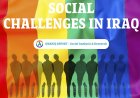

Social Challenges Facing the LGBTQ+ Community in Iraq
A report examining the social challenges faced by LGBTQ+ individuals in Iraq, including family pressures, social stigma, education, employment, and mental well-being.
Social Challenges Facing the LGBTQ+ Community in Iraq
Introduction
Members of the LGBTQ+ community in Iraq face a range of social challenges that can affect their daily lives, personal relationships, educational opportunities, and overall well-being. While experiences vary depending on individual circumstances and local environments, many individuals report facing similar forms of social pressure and discrimination.
Social Environment
The social environment plays a significant role in shaping the experiences of LGBTQ+ individuals. In conservative communities, some people may find it difficult to openly express their identity or discuss personal experiences due to concerns about stigma, rejection, or social exclusion.
As a result, many individuals choose to keep important aspects of their lives private, which can affect their sense of safety, belonging, and self-expression.
Family-Related Challenges
Family relationships are often among the most influential aspects of an individual's life. While some families may offer support and understanding, others may struggle to accept discussions related to sexual orientation or gender identity.
Common challenges may include:
-
Fear of rejection or misunderstanding.
-
Pressure to conform to social expectations.
-
Difficulty discussing personal matters openly.
-
Feelings of isolation within the family environment.
Education and Employment
Social attitudes can also influence experiences in educational institutions and workplaces.
Some reported challenges include:
-
Bullying, harassment, or social exclusion.
-
Concerns about privacy and personal information.
-
Feelings of insecurity in certain environments.
-
Limited access to supportive networks.
These challenges may affect educational achievement, professional development, and participation in community life.
Mental Health and Well-Being
Ongoing social pressures can have an impact on mental health and emotional well-being.
Some individuals may experience:
-
Anxiety and stress.
-
Feelings of loneliness or isolation.
-
Reduced self-confidence.
-
Difficulties related to social integration.
Access to supportive relationships, trusted information, and inclusive communities can contribute positively to mental well-being and resilience.
The Importance of Community Support
Supportive communities, safe spaces, and peer networks can provide valuable opportunities for connection, guidance, and mutual support.
Initiatives that encourage dialogue, understanding, and respect for diversity may help reduce stigma and promote a more inclusive social environment.
Looking Forward
Building a more inclusive society requires ongoing efforts to promote understanding, reduce discrimination, and encourage respectful dialogue. Access to information, support services, and community resources can help individuals navigate social challenges and improve quality of life.
Conclusion
Social challenges remain an important aspect of the lived experiences of many LGBTQ+ individuals in Iraq. Understanding and discussing these challenges in a constructive and evidence-based manner can contribute to greater awareness, empathy, and respect for human diversity.
Sources
-
International human rights reports.
-
Regional social studies and research publications.
-
Academic research on discrimination, inclusion, and mental well-being.